Can I carry out emergency repairs myself? A guide for private tenants
| Tenant Hive Super Speedy Summary |
| This issue affects any tenant in England facing urgent safety risks like burst pipes or total loss of heat. While you technically can carry out works in extreme emergencies, the Renters’ Rights Act 2025 moves toward a system where landlords must meet strict, legal timelines under Awaab’s Law. You should never stop paying rent to cover repair costs without specialist legal advice, as this remains an eviction risk. |
| Status: Transitional period (Awaab’s Law timeframes are Phase 3 / TBC). |
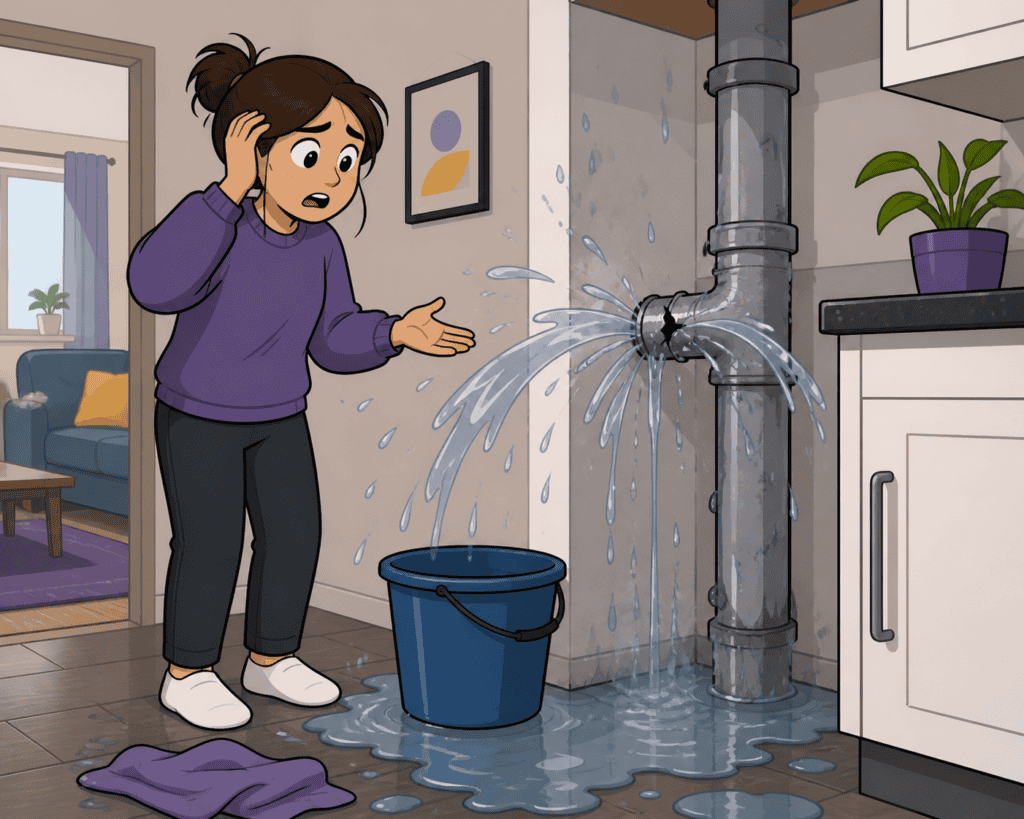
When a pipe bursts at midnight or the boiler fails in the middle of winter, your first instinct is to fix the problem immediately. However, carrying out works yourself or hiring your own contractor can be legally risky. In England, the law is shifting to put more pressure on landlords to act, rather than leaving tenants to handle emergencies alone.
The Renters’ Rights Act 2025 and the accompanying Renters’ Rights Act Roadmap introduce new standards that will eventually force landlords to respond to “serious hazards” within a matter of hours or days. Until these rules are fully switched on, you must navigate existing repair laws carefully to avoid being left out of pocket or facing eviction.
Featured Snippet Answer: Private tenants in England do not have an automatic right to repair and deduct costs from rent, but they can carry out emergency works if the landlord fails to act after being given a reasonable opportunity, provided strict legal procedures are followed to avoid eviction risks.
Glossary
- Landlord Repair Obligations: The legal duty of a landlord to keep the structure, exterior, and essential services of a home in good working order.
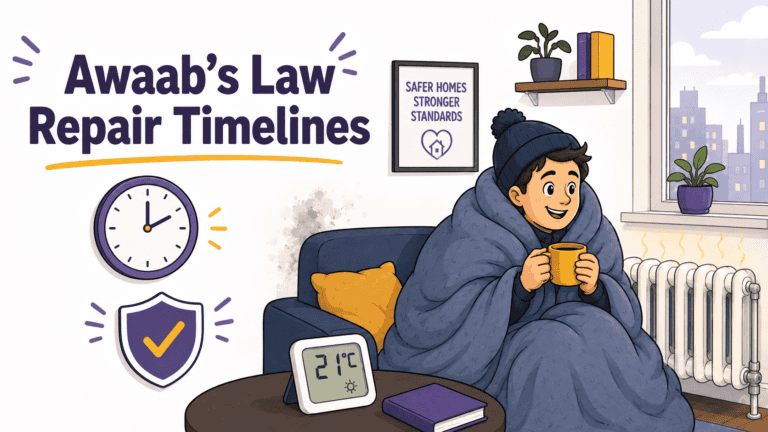
- Awaab’s Law: A new regulation being extended to the private sector that sets mandatory timeframes for investigating and fixing hazards.
- Emergency Remedial Action: Powers used by a local council to fix an immediate danger in a property and bill the landlord.
- Section 11: The part of the Landlord and Tenant Act 1985 that defines most repair duties.
- HHSRS: The system used to assess if a property defect is a legal hazard.
What the Renters’ Rights Act 2025 says
The Act fundamentally changes the balance of power regarding property standards. It extends Awaab’s Law to the private rented sector, which is a major victory for tenant safety. Once active, this law will set clear legally enforceable timeframes within which landlords must investigate and remedy serious hazards.
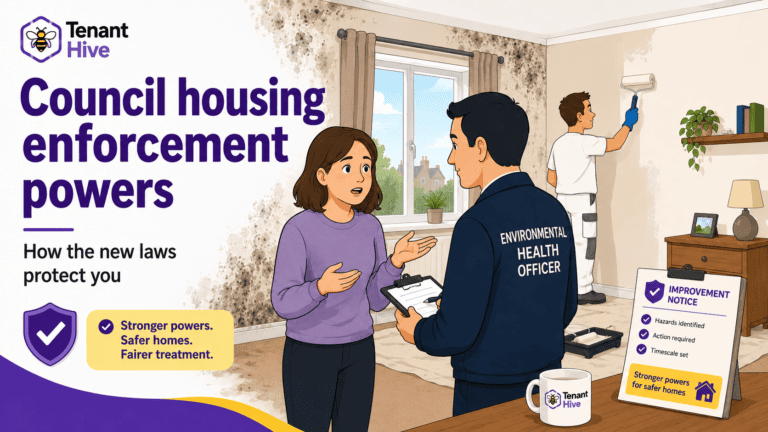
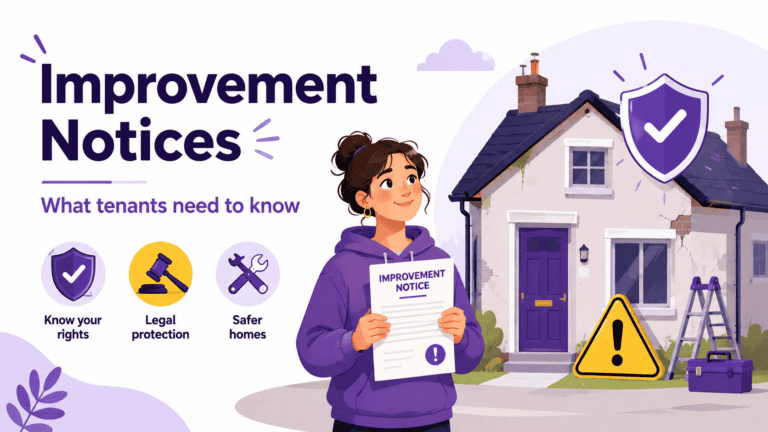
Furthermore, the Act introduces a mandatory Decent Homes Standard for the private sector. This ensures that properties must be free from Category 1 hazards (the most serious risks to health and safety) to be legally let. If a landlord fails to meet these standards, local councils will have increased powers to issue an improvement notice or take emergency remedial action.
What the Roadmap means for timing
The government is using a phased approach to “switch on” these protections.
- Council Investigatory Powers (27 December 2025): Local councils receive stronger powers to demand safety documents and inspect properties early on.
- Abolition of Section 21 (1 May 2026): This is critical because it protects you from retaliatory eviction if you insist on emergency repairs.
- Awaab’s Law and Decent Homes Standard (Phase 3 – Timing TBC): The specific timeframes for repairs (e.g., 24 hours for a total loss of heat) are currently subject to consultation. The Roadmap confirms these will be implemented in Phase 3, but the exact date is not yet confirmed.
What this means for you as a tenant, practical steps
If you are facing an emergency right now, follow these steps to protect your rights and your money:
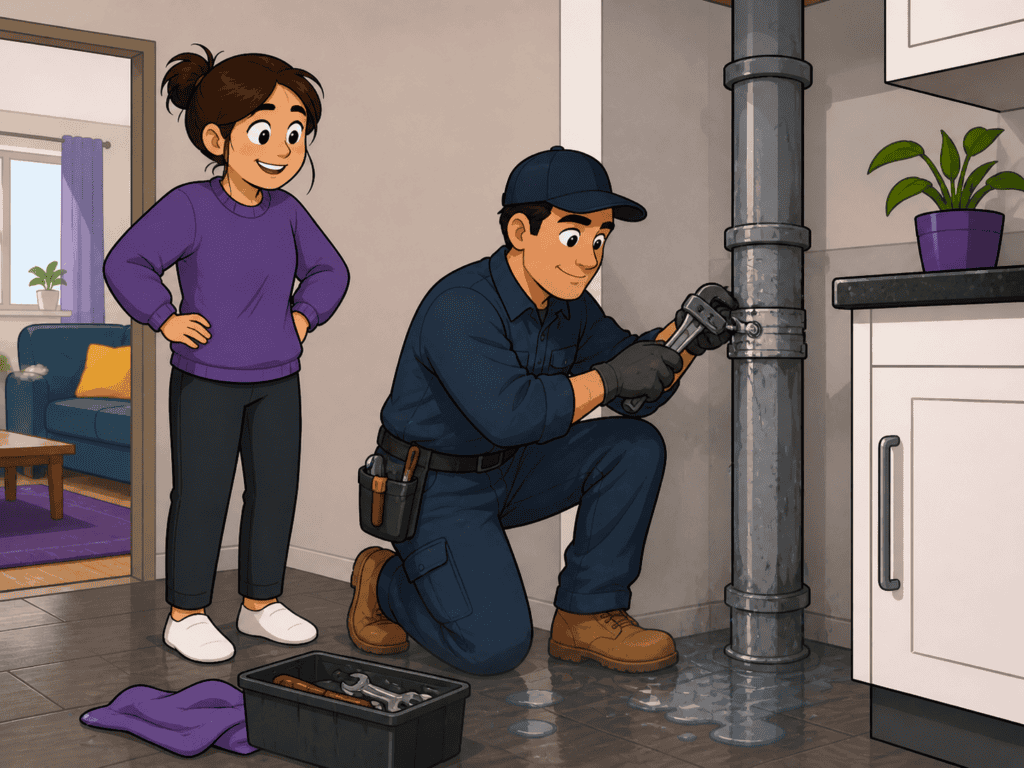
1. Notify the landlord immediately in writing
You must give the landlord a reasonable chance to fix the issue. Even if you call them, follow up with a text or email immediately. This creates a timestamped record that they were aware of the emergency.
2. Contact Environmental Health
If the landlord does not respond to a genuine emergency (like a gas leak or sewage flood), contact your local council Environmental Health department. From December 2025, they have expanded powers to inspect the property and can force the landlord to act.
3. The risk of “Set-off” (Deducting from rent)
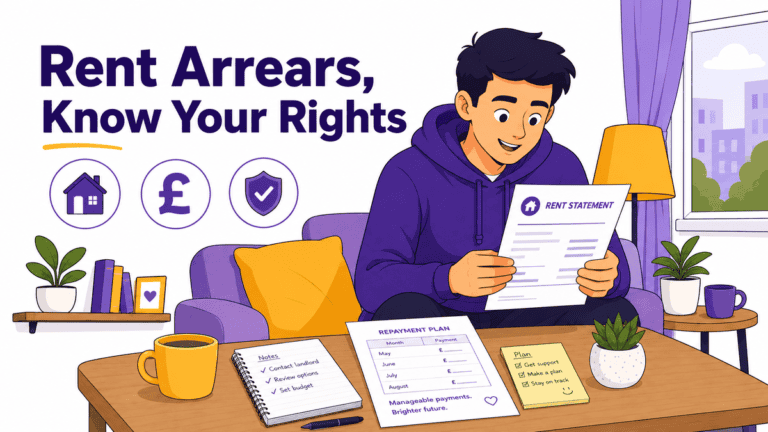
There is a common law process where a tenant can pay for repairs and deduct the cost from future rent. This is extremely high risk. If you make a mistake, you will fall into rent arrears, and the landlord could use Section 8 grounds to evict you.
Common problems, and how to deal with them
The landlord says I caused the damage Landlords are not responsible for repairs caused by a tenant’s failure to use the property in a “tenant-like manner”. If the emergency is caused by your negligence, you will likely have to pay for the fix.
I can’t afford to wait for the council If you must pay for a repair yourself, keep every receipt and an evidence log. You can eventually take a claim to the Private Rented Sector Ombudsman (expected late 2026) to seek compensation for the landlord’s failure to act.
Evidence to keep, and who to contact
- Communication Log: Save all texts, emails, and notes of phone calls regarding the repair request.
- Photos and Videos: Take clear footage of the emergency before, during, and after any work is done.
- Professional Quotes: If you hire someone, get at least two quotes to prove you didn’t overpay.
- Contact: Your local housing authority (council) is your primary contact for safety enforcement.
FAQ
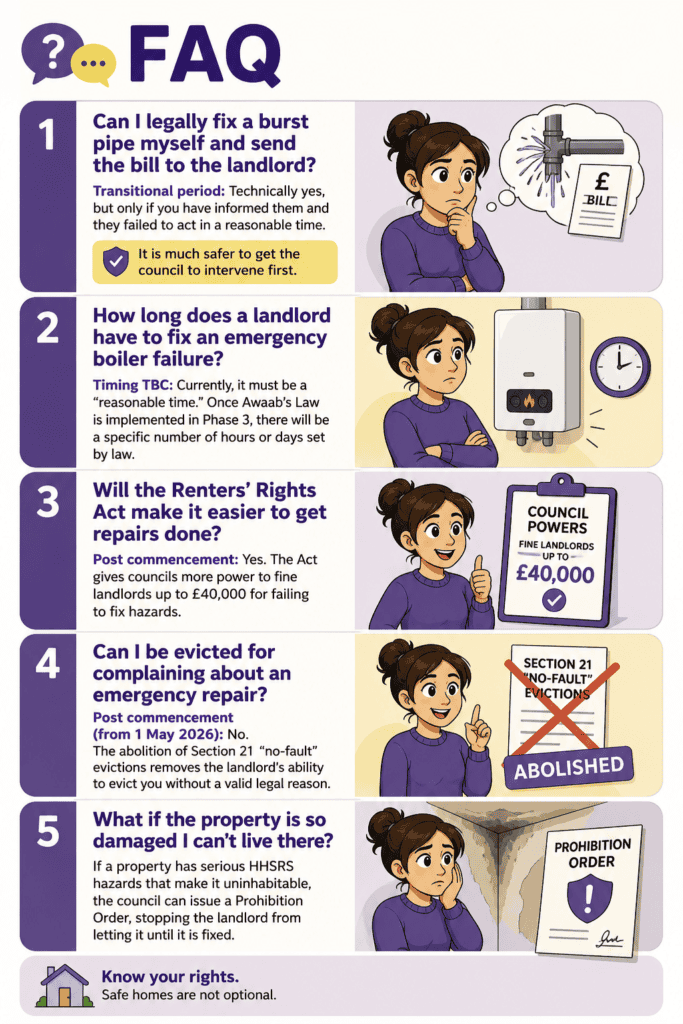
Can I legally fix a burst pipe myself and send the bill to the landlord? Transitional period: Technically yes, but only if you have informed them and they failed to act in a reasonable time. It is much safer to get the council to intervene first if possible.
How long does a landlord have to fix an emergency boiler failure? Currently, it must be a reasonable time. Once Awaab’s Law is implemented in Phase 3, there will be a specific number of hours or days set by law.
Will the Renters’ Rights Act make it easier to get repairs done? Post commencement: Yes. The Act gives councils more power to fine landlords up to £40,000 for failing to fix hazards.
Can I be evicted for complaining about an emergency repair? Post commencement (from 1 May 2026): No. The abolition of Section 21 “no-fault” evictions removes the landlord’s ability to evict you without a valid legal reason.
What if the property is so damaged I can’t live there? If a property has serious HHSRS hazards that make it uninhabitable, the council can issue a Prohibition Order, stopping the landlord from letting it until it is fixed.
Disclaimer: This article provides general information for England only and is not legal advice. Tenants should seek advice on their specific situation from a qualified professional or local advice service.