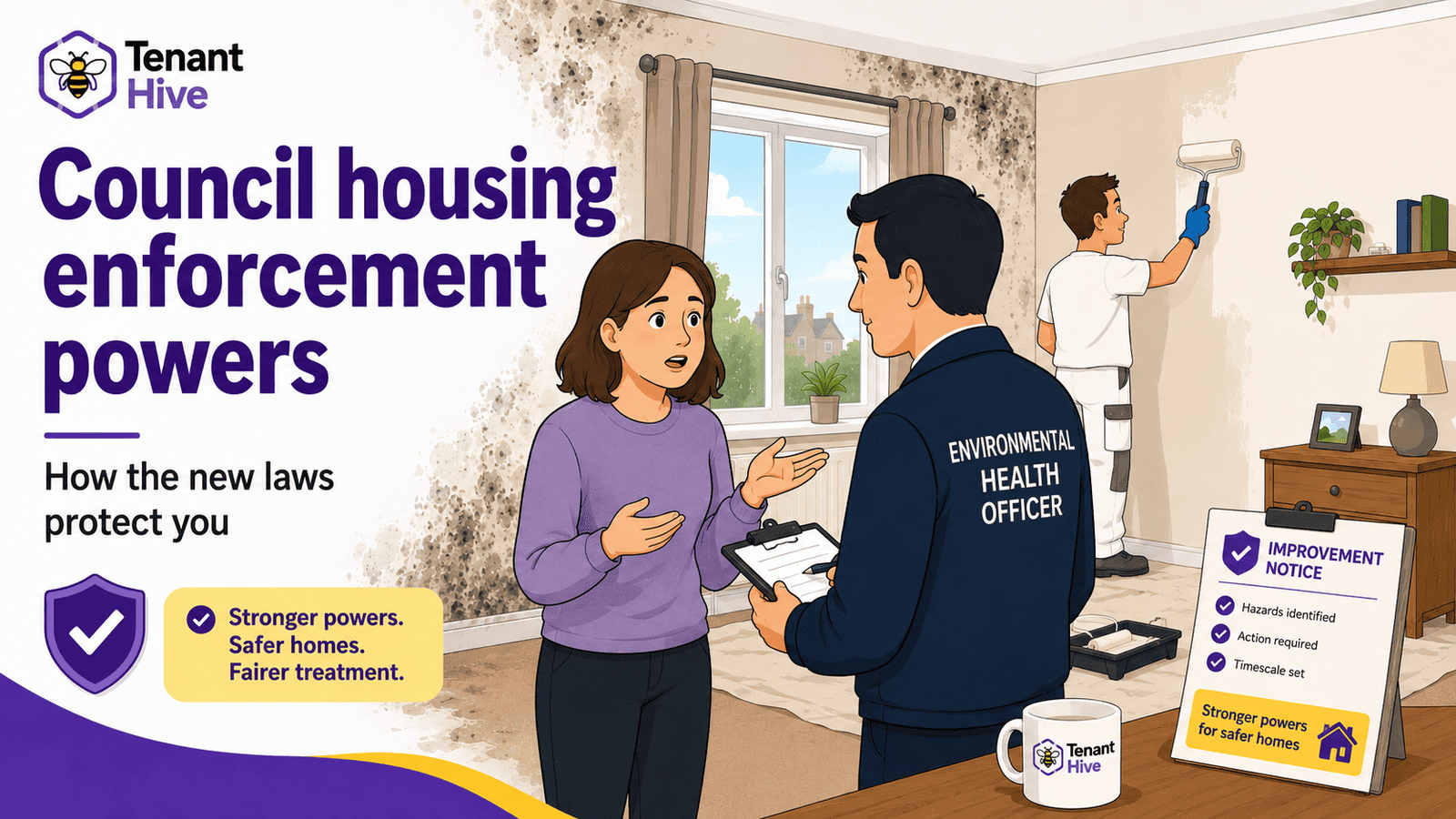
Council housing enforcement powers: How the new laws protect you
| Tenant Hive Super Speedy Summary |
|---|
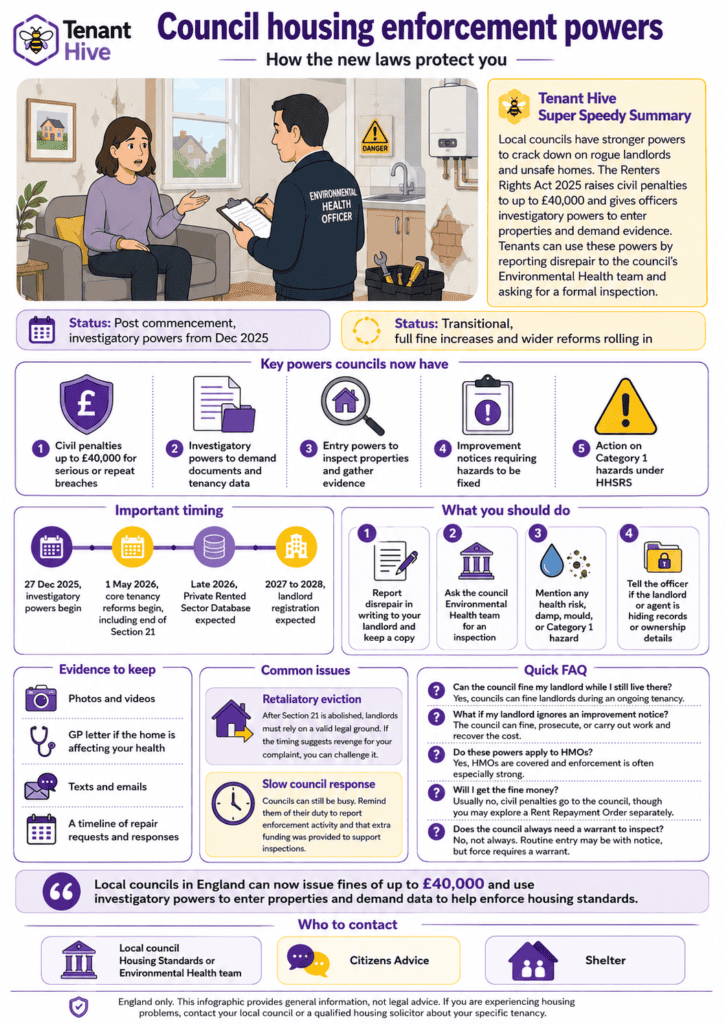
| Local councils have been given significant new powers to crack down on rogue landlords and unsafe homes. The Renters Rights Act 2025 increases fines to £40,000 and gives officers new investigatory powers to enter properties and demand data. Tenants should use these powers by reporting disrepair to their council’s Environmental Health team to trigger a formal inspection. |
If you are living in a property that is unsafe or poorly managed, the balance of power is shifting in your favour. For years, many local councils felt they lacked the teeth or the tools to effectively challenge bad landlords. The Renters Rights Act 2025 changes this by turning your local council into a robust enforcement authority with the backing of new national standards.
These changes are designed to ensure that the private rented sector meets a minimum safety baseline. From higher fines to the ability to see through shell company landlords, the new enforcement framework is a major pillar of the government’s plan for housing reform.
Glossary
- Civil Penalties: Fines issued directly by the council as an alternative to a court prosecution.
- Investigatory Powers: Legal rights for council officers to demand information or enter buildings to check for law-breaking.
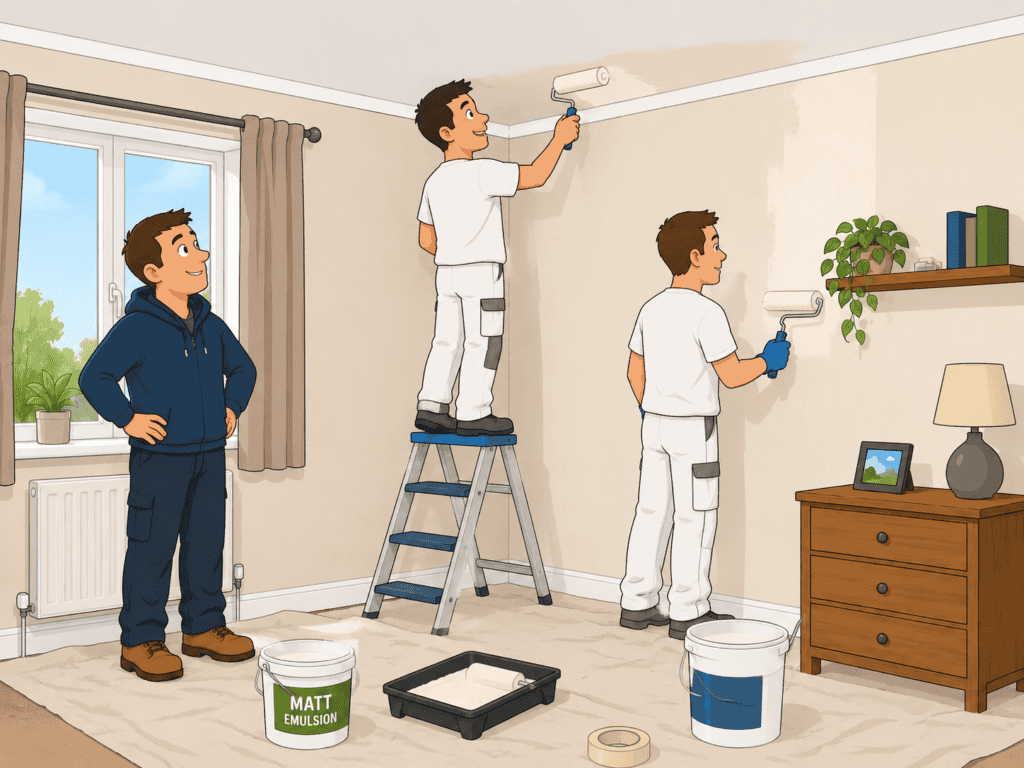
- Improvement Notice: A legal order from the council requiring a landlord to fix a specific hazard by a certain date.
- HHSRS (Housing Health and Safety Rating System): The system councils use to decide if a property hazard is serious enough to require legal action.
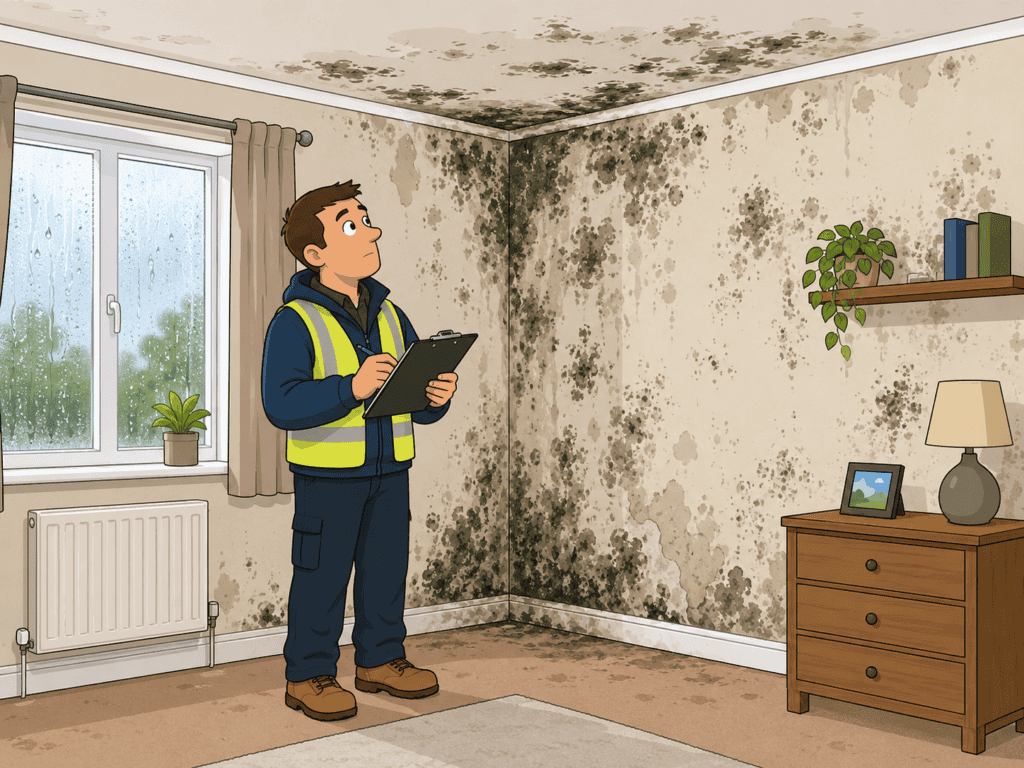
- Category 1 Hazard: The most serious risks, such as dangerous wiring or severe damp, which councils have a duty to act upon.
- Environmental Health: The specific council department responsible for housing safety inspections.
What the Renters Rights Act 2025 says
The Act introduces a duty to report for councils and significantly raises the stakes for landlords who ignore the law. One of the most visible changes is the increase in civil penalties. Previously capped at £30,000, councils can now fine landlords up to £40,000 for serious or repeat offences, such as failing to comply with an improvement notice or letting an unlicensed HMO.
To ensure landlords cannot hide, the Act grants councils new investigatory powers. Officers can now serve notices on relevant persons (including letting agents and those managing the property) to provide documents or data about the tenancy. If a landlord refuses to cooperate, the council can apply for a warrant to enter the premises, using force if necessary, to gather evidence of disrepair or safety breaches.
What the Roadmap means for timing
The Renters Rights Act Roadmap sets out a fast-track for these enforcement powers compared to other parts of the law.
- Investigatory Powers (Post commencement): These powers came into effect on 27 December 2025. This means your council already has the enhanced ability to demand documents and inspect properties.
- Core Tenancy Reforms (Post commencement): The main reforms, including the abolition of Section 21 and the start of the periodic tenancy system, begin on 1 May 2026.
- Database and Ombudsman (Transitional period): The national Private Rented Sector Database, which will help councils track “rogue” landlords, is expected in late 2026. Full mandatory registration for landlords is expected by 2027 or 2028.
What this means for you as a tenant, practical steps
You don’t have to wait for the council to spot a problem; you can trigger their enforcement duties yourself.
1, Report disrepair in writing
You must still give your landlord a chance to fix things first. Send a clear email or letter listing the HHSRS hazards (like damp and mould) and keep a copy. This creates the paper trail the council needs to prove the landlord was aware of the issue.
2, Request an inspection
Contact your council’s Environmental Health team. Specifically mention if you believe there is a Category 1 hazard or a risk to health. Under the new rules, councils have received £18.2 million in funding specifically to increase their capacity for these visits.
3, Use the new investigatory leverage
If your landlord claims they don’t have the records or aren’t the actual owner, tell the council officer. They can now use their powers under the Renters Rights Act 2025 to investigate.
Common problems, and how to deal with them
Retaliatory eviction protection
The biggest fear for tenants is that reporting a landlord will lead to an eviction notice. The Renters Rights Act 2025 provides retaliatory eviction protection by abolishing Section 21 “no-fault” notices. A landlord can now only evict you using a Section 8 notice with a specific, proven ground, and you can challenge this in court if the timing suggests it was a revenge move following your complaint to the council.
Slow council response
While councils have more powers, they are often still busy. If they are slow to act, mention their duty to report to the Secretary of State under the new Act. Remind them that they now have specific funding to carry out this enforcement work.
Evidence to keep, and who to contact
To help the council use their new powers, you should provide an evidence log:
- Photos and videos: Document hazards clearly, with dates.
- GP Letter: If the property’s condition is making you ill, this helps the council prioritise your case.
- Texts and emails: Keep a log of every repair request and every ignore from your landlord.
Who to contact:
- Local Council Housing Standards Team: For inspections and improvement notices.
- Citizens Advice: For help understanding if your landlord’s response is illegal.
- Shelter: For emergency help if the council’s enforcement leads to you needing temporary accommodation.
FAQ
Can the council fine my landlord even if I haven’t moved out? Yes (Post commencement). Councils can issue civil penalties of up to £40,000 for breaches of safety standards while the tenancy is ongoing.
What happens if my landlord ignores an improvement notice? The council can take further action. If the landlord fails to do the work, the council can fine them, prosecute them, or carry out emergency remedial action and bill the landlord for the costs.
Do these powers apply to shared houses (HMOs)? Yes. Enforcement powers are especially strong for HMOs, where councils have additional licensing and room-size standards to uphold.
Will I get any money from the fines my landlord pays? No (usually). Civil penalties go to the council to fund further enforcement. However, you may be able to apply for a Rent Repayment Order separately.
How do I know if my council is using these powers? Timing is TBC. Councils now have a legal duty to report their enforcement activity to the government. This information is expected to be more publicly visible once the PRS Database is active in late 2026.
Disclaimer: This article provides general information for England only and is not legal advice. If you are experiencing housing issues, contact your local council or a qualified housing solicitor for advice on your specific tenancy.