
What is housing disrepair and what must my landlord fix
Super Fast Summary:
This article explains what housing disrepair means in England, what types of problems your landlord is legally responsible for, how the law on fitness for human habitation works, and what you must do as a tenant to look after the property and report issues properly.

Housing disrepair, what it is and what must your landlord repair?
You should not have to live with damp, mould, leaks, broken heating or unsafe electrics. In England your landlord has clear legal duties to repair the structure of your home and key installations, and to keep your home fit to live in. If they ignore problems, you can challenge this.
What is housing disrepair in UK renting
Housing disrepair means something in your rented home is damaged or broken that your landlord is legally responsible for. It covers building problems and key services, not just minor wear and tear. Neither no you nor your landlord should ignore this, because if a serious problem is left unfixed, your home may also become legally unfit to live in.
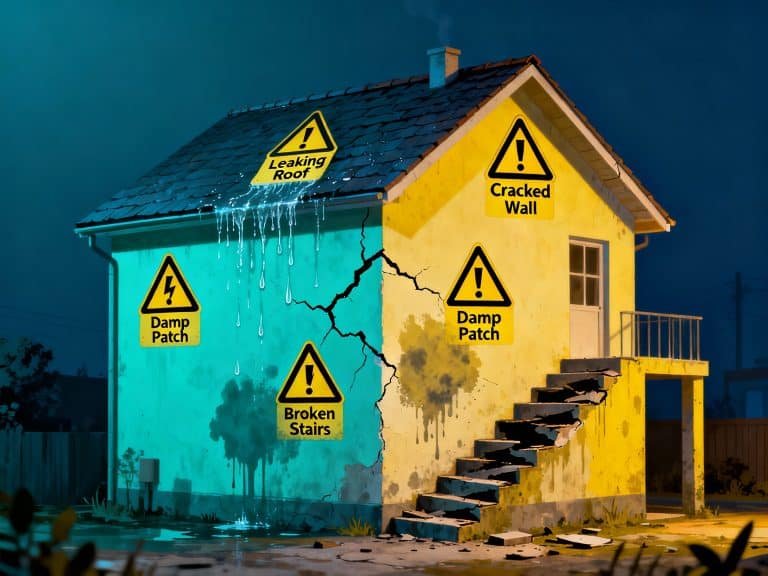
Common examples of housing disrepair are:
- Water leaks from roofs, gutters or internal pipes
- Cracked walls, loose tiles or damaged brickwork
- Rotten or broken windows and doors that do not shut properly
- Faulty boilers, radiators, hot water or electrical sockets
- Blocked toilets and drains
- Serious damp, mould or infestations caused by building faults

Damage you have caused yourself, for example a broken internal door, do not fall under the term ‘disrepair’ and may well be your responsibility.
What must my landlord repair by law
By law most landlords must keep the structure and exterior of the property in repair, and keep key services such as heating, hot water and electricity in proper working order. These duties apply even if the tenancy agreement does not mention them, and they usually cannot be signed away, despite what your landlord might claim.
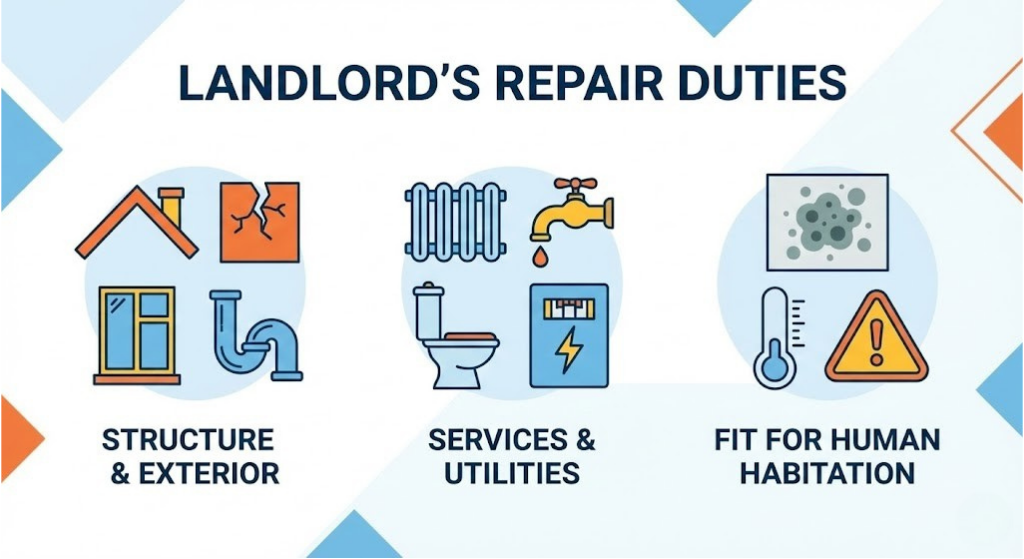
Your landlord is normally responsible for the following:
Structure and exterior
- Roof, walls, ceilings and floors
- Windows and external doors
- Chimneys, drains, gutters and outside pipes
Installations for services
- Gas pipes and gas appliances supplied by the landlord
- Electrical wiring, sockets and the fuse box or consumer unit
- Cold and hot water supply, sinks, baths, toilets and drains
- Space heating and hot water systems, including the boiler and radiators
Even if the property was in poor condition at the start, once the tenancy begins the landlord must put it into proper order and then keep it in repair. They must also respond within a reasonable time when new problems appear during your tenancy.
What does “Fit to Live in” mean for tenants?
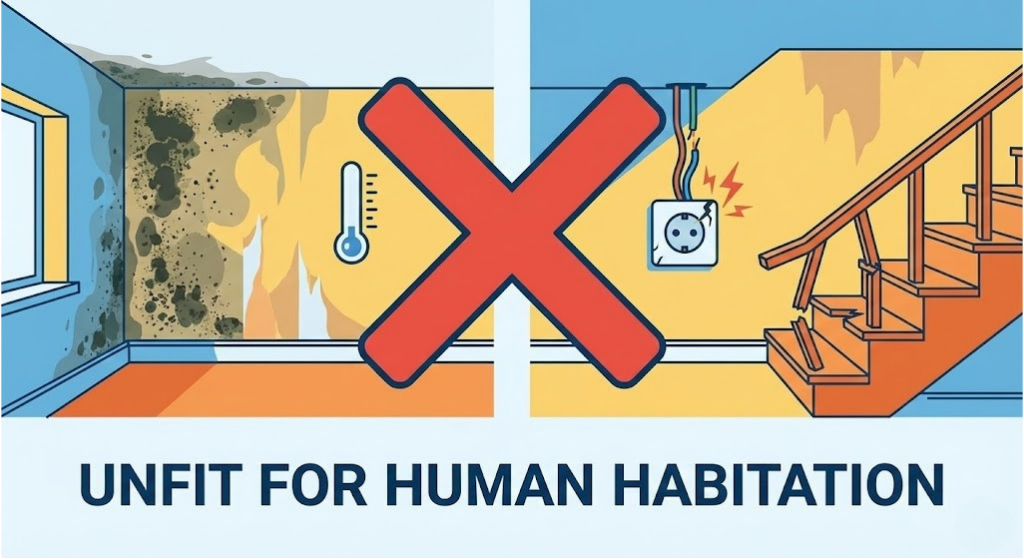
‘Fit to live in’ called fit for human habitation in the law, is about health and safety as well as repairs. It means your home must be safe, healthy and suitable for normal living throughout the tenancy, not only on the day you move in.
A rented home might be unfit to live in if, for example:
- There is serious damp or mould that affects your health or belongings
- Heating is so poor that the property is extremely cold in winter
- There are dangerous hazards such as unsafe stairs or exposed wiring
- There are persistent leaks or flooding that stop you using rooms properly
- There is a major infestation or layout that makes the property unsafe
To count as unfit, the problem must go beyond inconvenience. It needs to affect your health, your safety or your ability to use the home in a normal way. In many cases the same issues, such as heavy damp and mould, will also be called disrepair that your landlord must fix.
What are my responsibilities as a tenant about disrepair
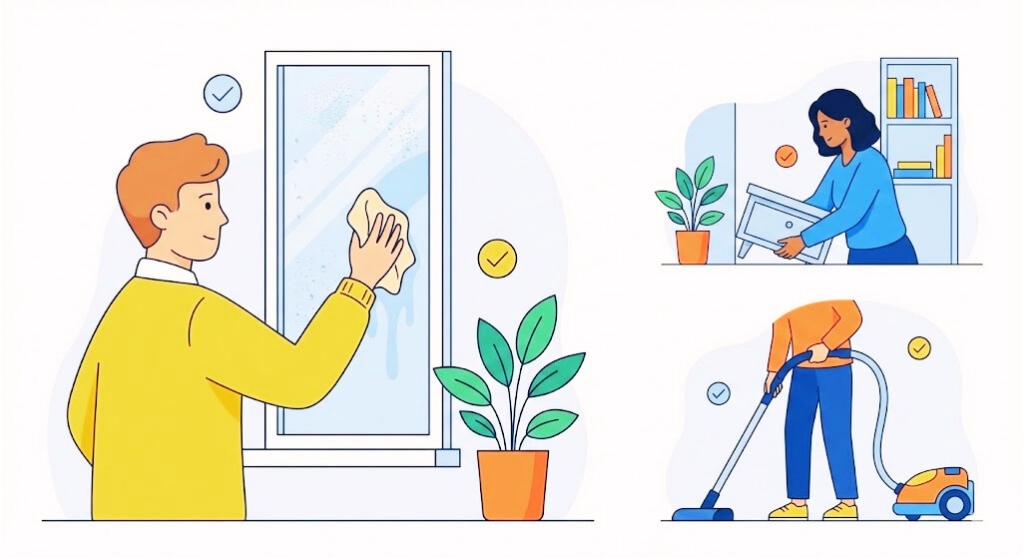
You also have responsibilities. You must, as a tenant, take reasonable care of the property, report repair issues promptly and give access so your landlord can inspect and do necessary work to fix the problem. You are also responsible for damage you or your guests cause and for basic everyday tasks.
As a tenant you are usually expected to:
- Use heating and ventilation sensibly and wipe away everyday condensation
- Keep the property reasonably clean and avoid unnecessary damage
- Report repair problems in good time, especially leaks, damp, electrical faults or security issues
- Allow access for inspections and repairs with at least twenty four hours written notice, except in emergencies, at a reasonable time of day
If serious issues arise because of your actions or neglect, the landlord can normally charge you for that work. But where problems are caused by building defects or ageing systems, responsibility almost always sits with the landlord.
This content is for information purposes only and does not constitute legal advice. Always consult a professional for your specific circumstances.