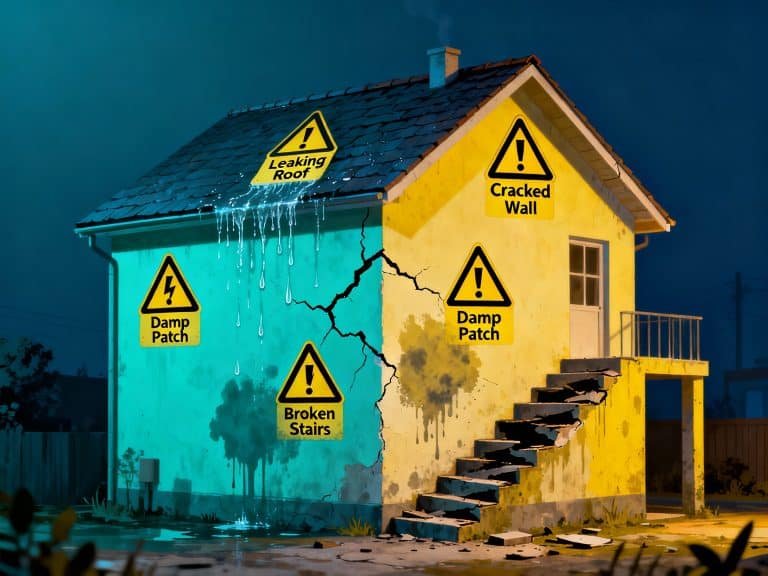

Renters Right Guide to Damp and Mould 2026
Tenant Hive Super Speedy Summary: Damp and Renters Right Act
| Tenant Hive Super Speedy Summary |
| This guide is for any private tenant in England dealing with damp and mould. The law is changing to force landlords to fix these hazards within strict, legally enforceable timeframes under Awaab’s Law and a new Decent Homes Standard. For now, you should report issues in writing and contact your council if your landlord fails to act. |
For too long, many private tenants have had to live in cold, damp, and mouldy homes. The government has acknowledged that these issues are evident in some parts of the sector and is using the Renters’ Rights Act 2025 to tackle them head-on.
These reforms aim to drive up the quality of privately rented housing so that all tenants have access to safe homes.
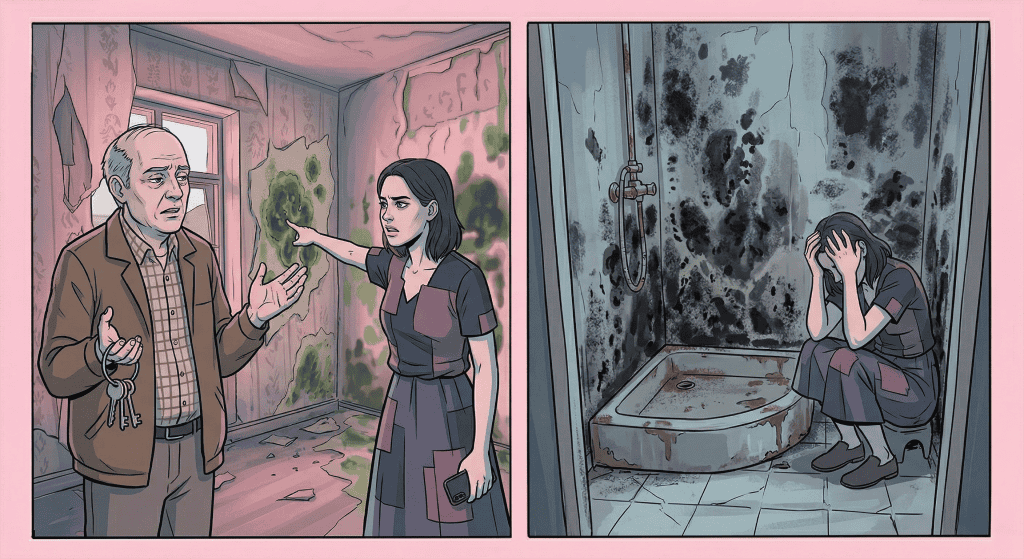
Glossary: Damp and Renters Right Act
- Awaab’s Law: A legal requirement for landlords to investigate and fix serious hazards like mould within specific timeframes.
- Decent Homes Standard (DHS): A minimum quality threshold that all rented properties must meet, now being applied to the private rented sector for the first time.
- HHSRS: The Housing Health and Safety Rating System, the tool councils use to assess if damp and mould are dangerous.
- Improvement Notice: A legal order from a council that forces a landlord to fix hazards.
- Local Housing Authority: Your local council, which is responsible for enforcing these new safety rules.
What the Renters’ Rights Act 2025 says Damp
The Act introduces powerful new tools to combat poor property conditions:
- Awaab’s Law for Private Renters: The Act extends this law to the private sector. It will set “clear legally enforceable timeframes” for landlords to make homes safe when they contain serious hazards like damp and mould.
- Mandatory Decent Homes Standard: For the first time, a Decent Homes Standard will be applied to all private rentals. This ensures every home meets a minimum standard of safety and quality.
- Expanded Enforcement: Local councils are being given a general duty to take action when they find serious hazards. They will also have stronger investigation powers to inspect properties and demand safety documents.
What the Roadmap means for timing
The government is switching on these measures in phases to give the sector time to adjust
- Council Investigatory Powers (27 December 2025): Councils gain stronger abilities to inspect homes and crack down on rogue landlords who ignore damp and mould.
- Abolition of Section 21 (1 May 2026): By ending “no-fault” evictions, the Act protects you from retaliatory eviction if you complain about mould.
- Awaab’s Law & Decent Homes Standard (Phase 3 – Timing To be confirmed): These critical protections are subject to further consultation. While a proposed deadline for the Decent Homes Standard was 2035 or 2037, the government expects landlords to start work earlier wherever possible.
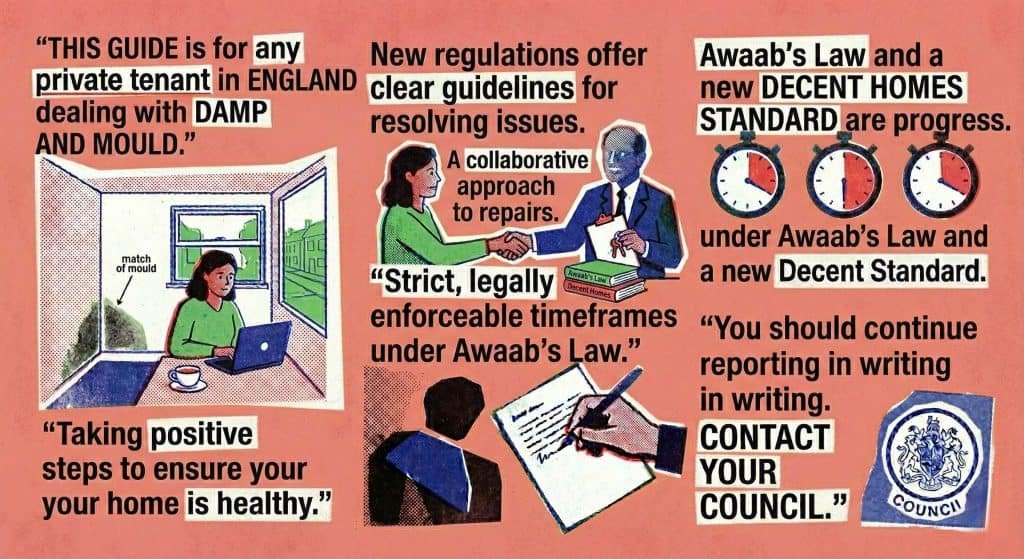
What this means for you as a tenant
While we wait for the full legal timeframes of Awaab’s Law to be switched on, you should take these practical steps:
- Report early and in writing: Tell your landlord or agent about the damp and mould as soon as you see it. Use email or letter so you have a record.
- Request a council inspection: If your landlord does not act, contact your local authority. From December 2025, they will have even greater powers to force repairs.
- Use the Database (Late 2026): Once the new PRS Database is launched, you will be able to check if your property has valid safety certificates and if your landlord is compliant with standards.
Common problems and how to deal with them
The landlord blames my “lifestyle”: It is a common tactic for landlords to blame tenant “lifestyle” (like drying clothes indoors) for mould. However, once the Decent Homes Standard and Awaab’s Law are in force, the burden will be on the landlord to prove the property is safe and meets minimum requirements.
I’m worried about being evicted for complaining: From 1 May 2026, the abolition of Section 21 means your landlord must have a valid legal reason to evict you, making retaliatory evictions much harder.
Evidence to keep and who to contact
To support a claim or council inspection, you must keep:
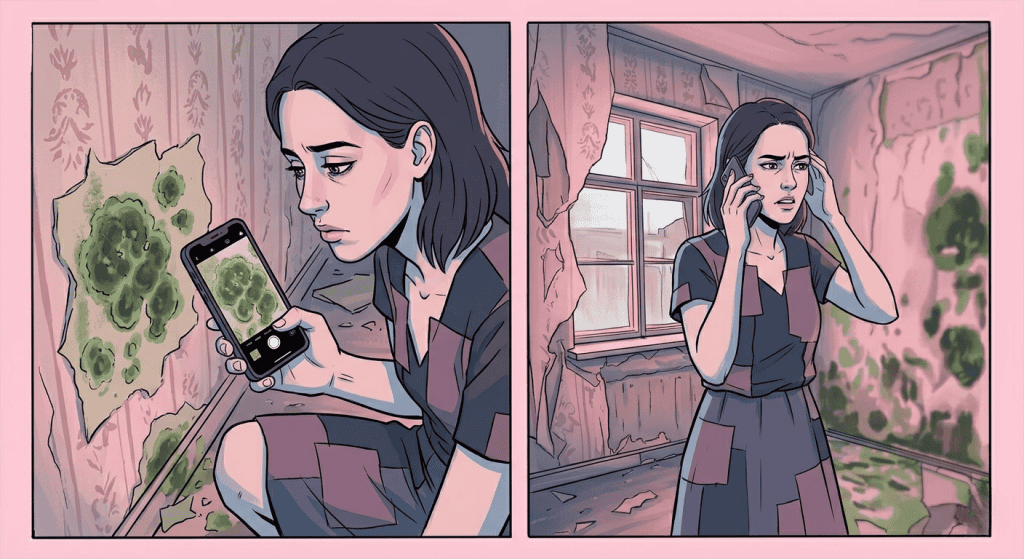
- Photographs: Clear, dated pictures showing the extent of the mould and any damage to your belongings.
- Communication logs: A record of every time you reported the issue and the landlord’s response (or lack of).
- Medical evidence: If the mould is affecting your health (e.g., respiratory issues), keep copies of GP notes or hospital letters.
- Contact: Your local council’s Environmental Health team for safety inspections.
Your questions: Tenant Hive Answers
Can the council force my landlord to fix the damp? Post commencement of Awaab’s Law (from 27 Dec 2025): Yes. Councils will have strengthened powers to inspect properties and issue Improvement Notices requiring landlords to fix hazards
What happens if my home doesn’t meet the Decent Homes Standard?
Timing TBC: Once implemented, local councils will have the power to take enforcement action against landlords whose properties fail the standard.
Will I be able to see if my landlord has been fined for poor conditions?
From late 2026: The new PRS Database will record information on landlord offences and financial penalties, which you will be able to check.
Does the new law apply to my existing tenancy? Yes. The move to the new periodic tenancy regime (and the abolition of Section 21) will apply to both new and existing tenancies.
Can I get my rent back if I’m living with mould?
Post commencement of Renters Rights Act (from 1 May 2026): The Act strengthens Rent Repayment Orders, doubling the maximum penalty for landlords who fail to comply with safety requirements.
Disclaimer: This article provides general information for England only and is not legal advice. Tenants should seek advice on their specific situation from a qualified professional or local advice service.