
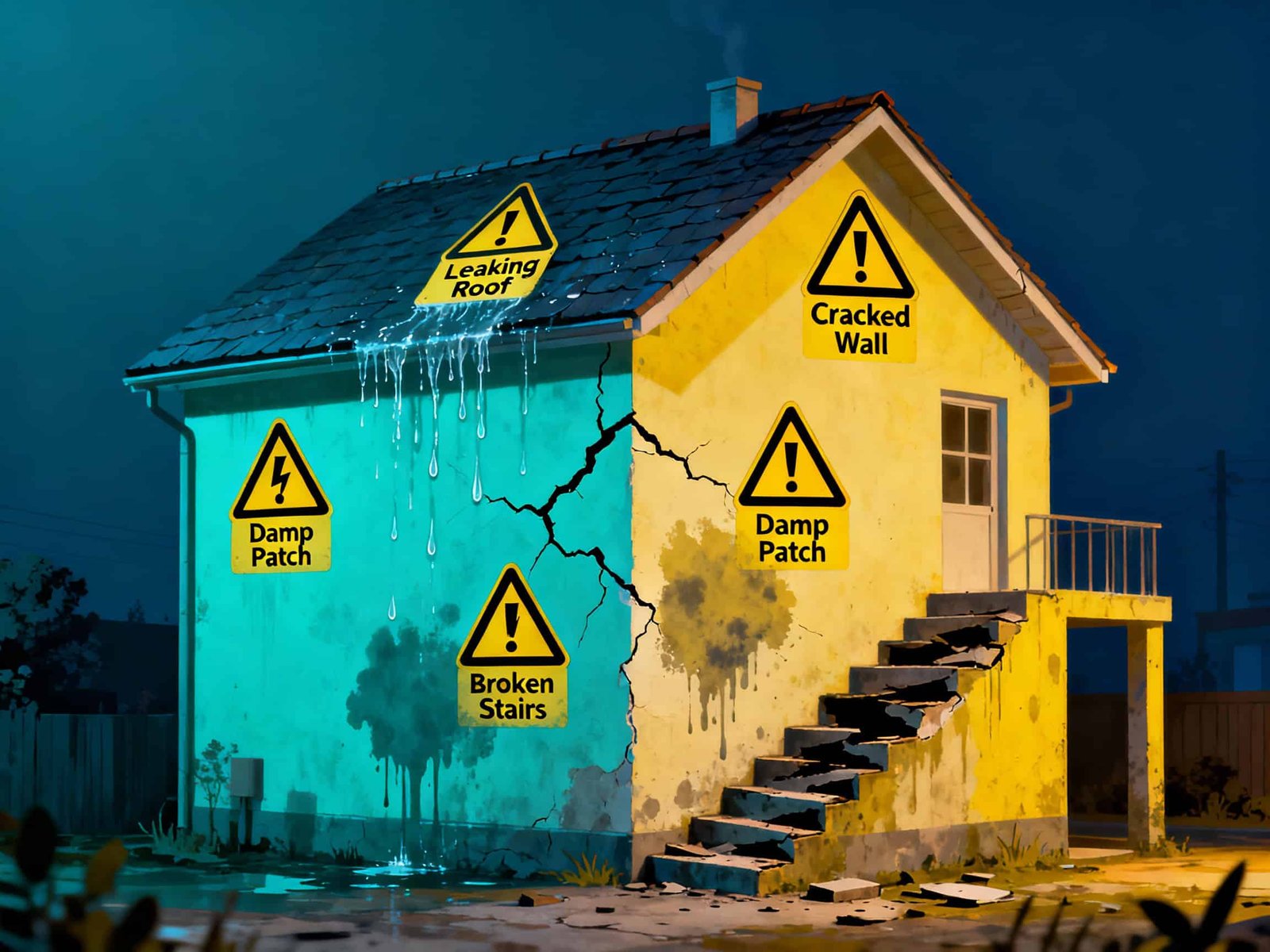
How to report disrepair and how long should repairs take
Summary:
This article explains how to report housing disrepair to your landlord in a way that protects you, what evidence to keep, how to build a repair diary, and what counts as a reasonable time for repairs. It also explains how Awaab’s Law and the Renters’ Rights Act 2025 affect repair times now and in the future.

Reporting housing disrepair and how long repairs should take
Protect your rights by reporting repairs clearly and in writing. The law only expects your landlord to act once they know there is a problem, so you want to be able to show exactly what you told them and when. A good paper trail also strengthens complaints or legal claims later on.
How should I prepare before reporting disrepair
Before you contact your landlord, it helps to collect basic information and evidence. This makes it easier for them to understand the problem and harder for them to deny it later.
Useful preparation steps include:
- Check your tenancy agreement for any repair clauses
- Make a short note of when the problem started
- List how the issue affects your daily life, for example rooms you cannot use, disturbed sleep or physical/mental health impacts
- Take clear photos from different angles and, if possible, a short video showing leaks, mould or faulty electrics
You do not need to be a surveyor or pay for a surveyor. Simple, honest pictures and notes are enough, as long as they are clear and dated.
How do I report disrepair to my landlord in the right way
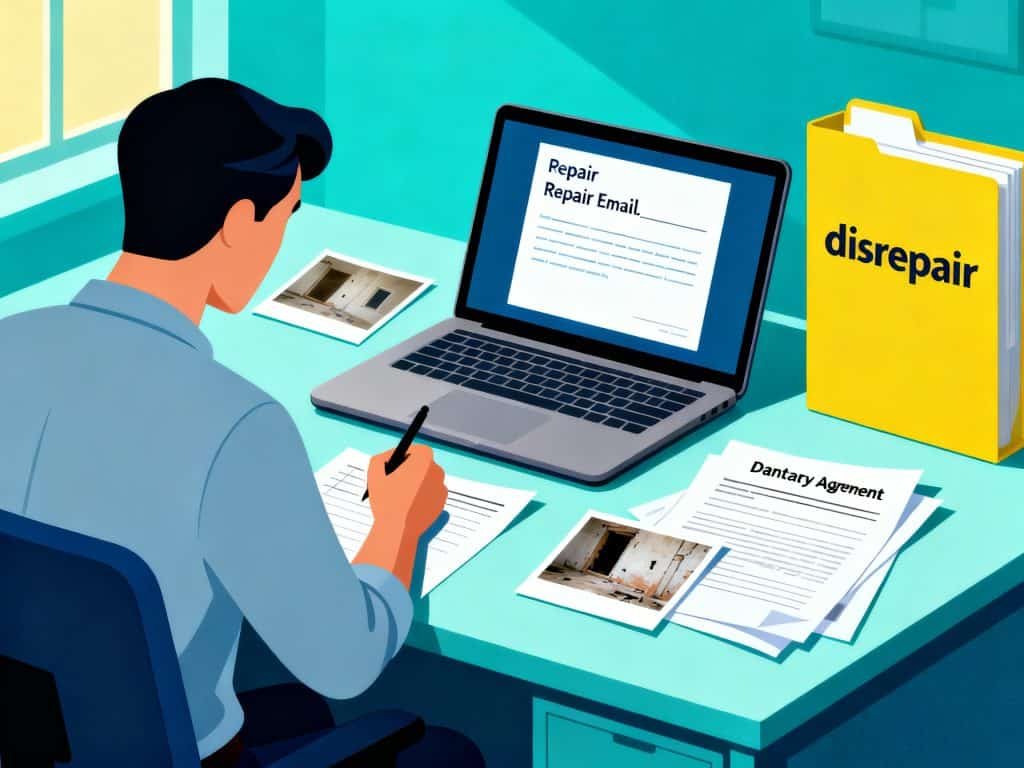
The strongest way to report repairs is to do it in writing. You can still call or speak to your landlord first, but always follow up in writing so there is a record.
A straightforward process is:
- Send a clear written report
- Use email if possible, or a letter
- Use a simple heading such as Request for repairs
- Explain what is wrong, where it is in the property and when it started
- Attach photos or short videos if you can
2. Be specific and factual
Mention any health issues or particular vulnerabilities, for example young children, older people or long term illnesses in the household
Avoid exaggeration, stick to what you see and experience

- Ask for a response and a visit
- Politely ask your landlord or agent to confirm they have received your report
- Suggest reasonable times when they can visit or send a contractor
This simple email or letter can later help you with council action, complaints or court claims if the landlord does not respond properly.
What is a repair diary and why does it matter
A repair diary is your record of everything that happens after you report disrepair. It shows whether the landlord is acting reasonably and can be very powerful evidence if things escalate.
In your repair diary, try to record:
- The date you first noticed the problem
- The date you first reported it and what you said
- Every email, text or letter you send or receive
- Every call and visit, including who attended, what they said and what they did
- Any missed appointments or promised dates that were not kept
- How the problem changes over time, for better or worse
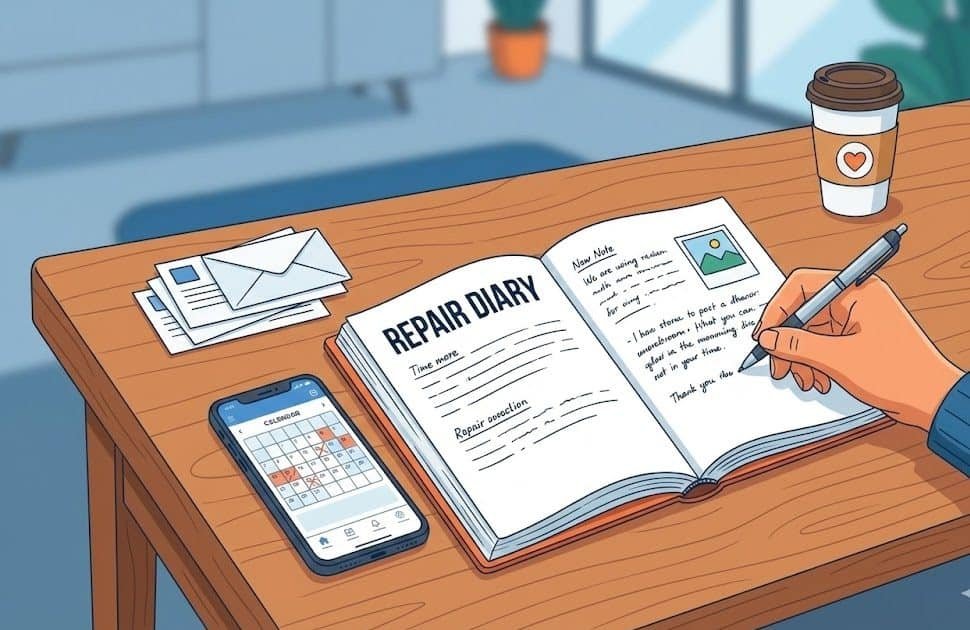
Keep this diary alongside copies of your photos and videos. If you later involve the council, an ombudsman or a court, this organised record can make your case much clearer.
From late 2025, councils also gain stronger investigatory powers under the Renters’ Rights Act 2025, including powers to demand information and seize documents from landlords and agents. A clear paper trail makes it much easier for council officers to use those powers in your favour.
How long should my landlord take to do repairs
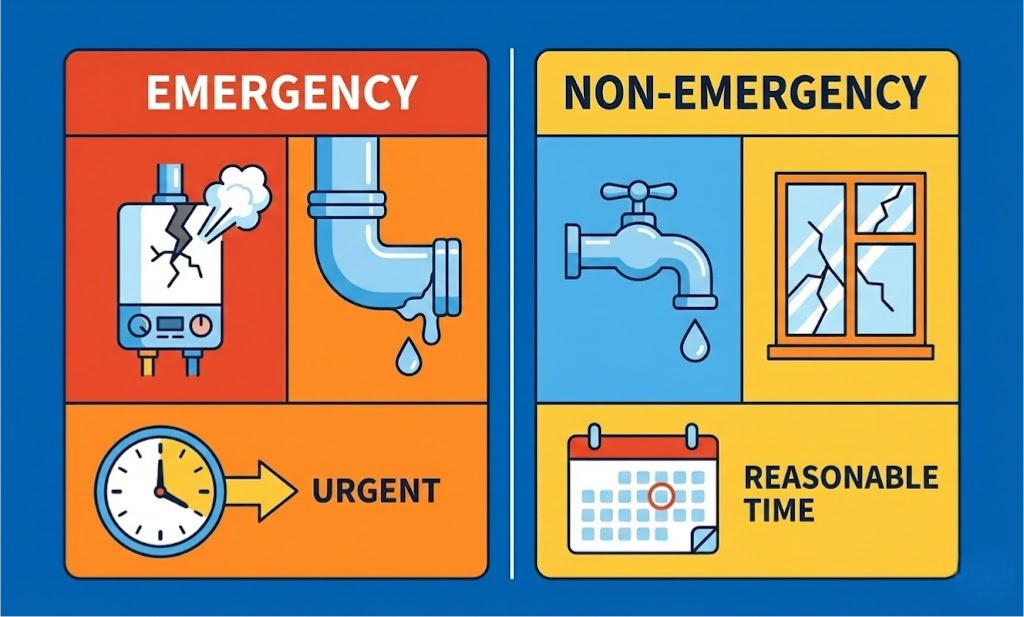
The law says repairs must be carried out in a reasonable time after the landlord is told about the issue. What counts as reasonable depends on how serious the problem is, how vulnerable anyone in the home is and how difficult the repair is to arrange.
As a rough guide:
- Emergency or very urgent problems:
- Dangerous electrics, such as exposed live wires
- Total loss of heating or hot water in winter
- Major leaks or structural damage that risks collapse or serious flooding
These should be treated as urgent. Your landlord should move quickly to make things safe, then complete a full repair as soon as possible. Your landlord may need to move you into alternative safe accommodation whilst these works are carried out – this will be at your landlord’s expense.
- Important but non emergency repairs:
- A contained minor leak that is not causing serious damage
- A single radiator that is not working where you still have other heating
- Internal doors or fittings that are damaged but safe
These may take longer, especially where parts or specialist contractors are needed, but should still be handled within a reasonable timeframe.
At the moment, Awaab’s Law already sets strict timeframes for tackling serious damp, mould and other hazards in social housing but it is not yet being implemented for the private rental market.
For private renters:
- The Renters’ Rights Act 2025 brings Awaab’s Law and a modern Decent Homes Standard into the private rented sector for the first time, but these parts of the law will start later and in phases.
- As at November 2025, there is still no single national fixed deadline for private landlords to complete most repairs, so the test remains what is reasonable in the circumstances.
- Future phases of the Act are expected to set clearer time limits for serious hazards, but until those dates begin, you still have to rely on existing repair and fitness rules plus council enforcement.
Disclaimer: This content is for information purposes only and does not constitute legal advice. Always consult a professional for your specific circumstances.