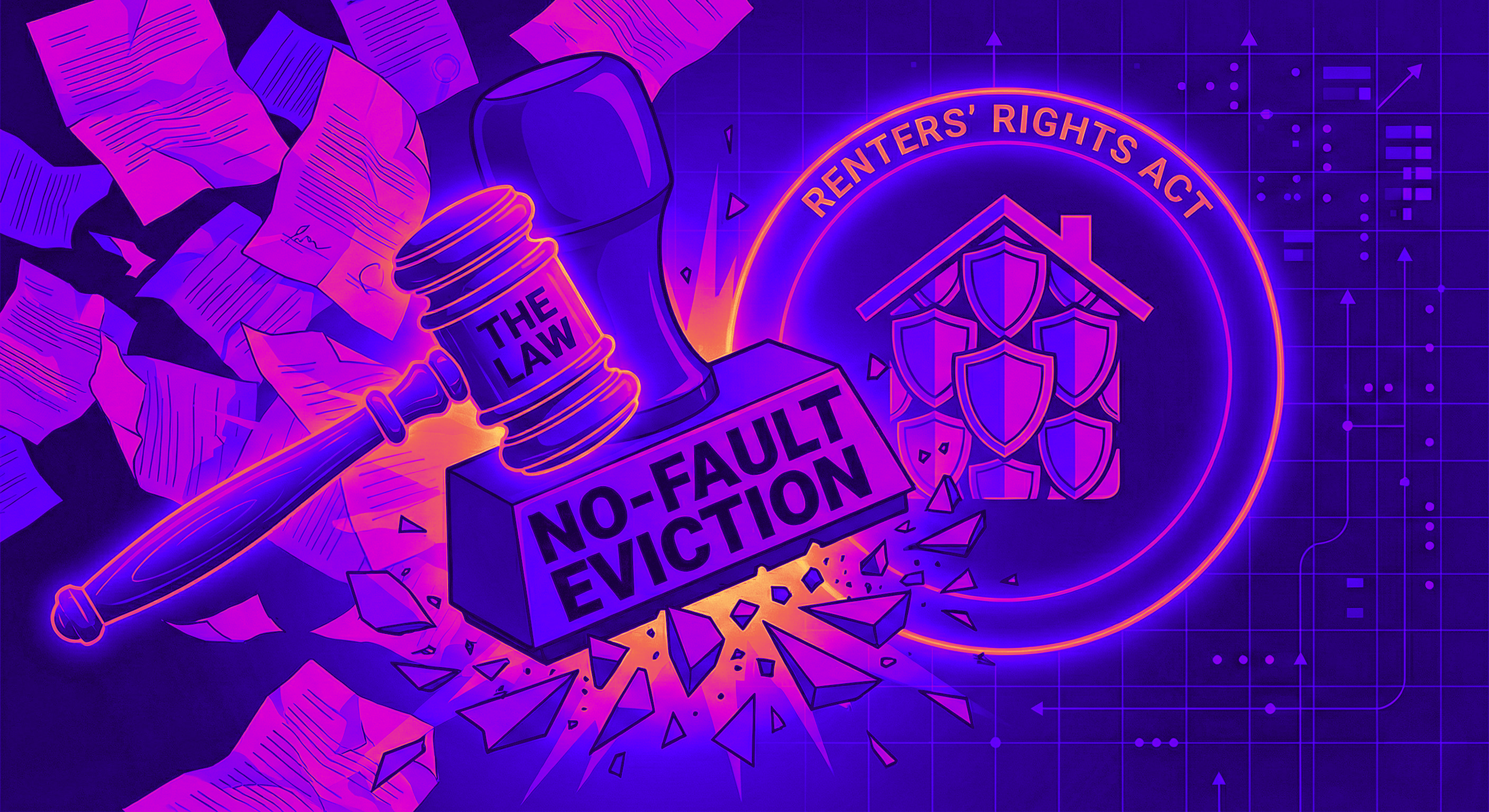

How Will the Renters’ Right bill Affect My Tenancy Agreement?
Key takeaways (quick read)
- Existing fixed terms auto-convert on a single implementation date (no two-tier system).
- All fixed-term assured tenancies end → everything becomes periodic (rolling).
- You can leave with 2 months’ notice at any time, and your end date must align with your rent period (e.g., pay on the 1st → tenancy ends on the last day of that month).
- 12-month protected period from move-in where your landlord cannot evict to sell or move in; after that, those grounds require 4 months’ notice.
- Rent rises: at most once every 12 months, via the statutory Section 13 process with 2 months’ notice; rent review clauses won’t be allowed.
What is a periodic tenancy?
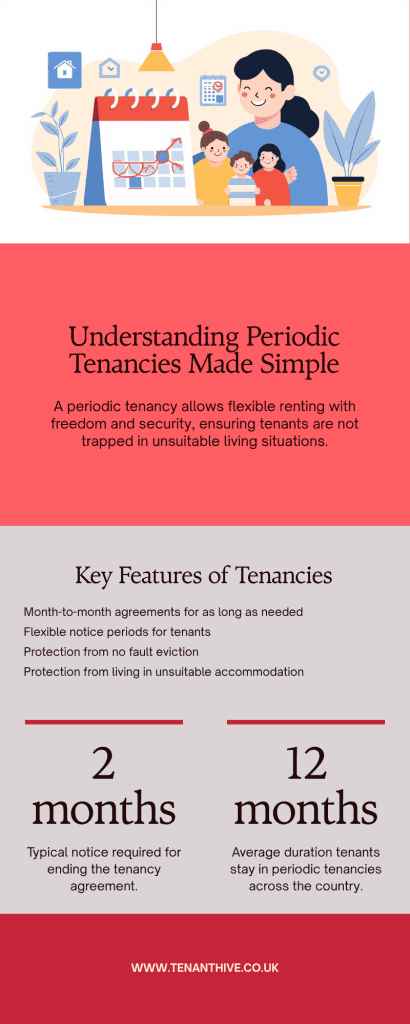
A periodic tenancy is a rolling agreement (usually month-to-month) with no fixed end date. You can stay indefinitely, or leave with 2 months’ notice aligned to your rent period. This helps prevent tenants being trapped in substandard homes or after life changes.
Why are fixed terms being abolished?
The aim is to boost security and flexibility and reduce retaliatory evictions. All assured tenancies become periodic, and tenants can challenge unfair rent practices without fear of a “no-fault” eviction.
How do I end my tenancy under the new system?
You can end at any time with 2 months’ notice. Your notice must expire at the end of a rent period. Example: if rent is due on the 1st, serve notice to end on the last day of a month, two months ahead.
What happens to my current fixed-term agreement?
On the implementation date, all private tenancies convert automatically to the new system. You don’t need to sign anything for this to happen.
Will I still have security and stability?
Yes. You will have even more security and stability than before. Landlords will need a valid legal ground (Section 8) to evict a tenant. Even for reasons such as the landlord would like to sell or move into the property, these can’t be used in the first 12 months, and after that they must give 4 months’ notice. For serious arrears, the mandatory threshold rises to 3 months and the notice period is 4 weeks. Courts still decide cases.

Can my landlord include break clauses or minimum terms?
No. Fixed terms and rent-review clauses are not allowed and have no legal function under the Renters Right Act. In a periodic system, traditional “break clauses” are not needed, and rent review clauses are disallowed. Any rent increase must follow a strict process set out by the Renters Right Act.
FAQs
When will my fixed-term convert to periodic?
On a single implementation date set by government; all existing tenancies convert at once (with notice to the sector). The Bill has completed Parliament and is awaiting Royal Assent; commencement is expected during 2026.
How often can my landlord raise the rent?
At most once every 12 months, via Section 13, with 2 months’ notice. You can challenge excessive increases at the Tribunal. Rent review clauses will not be permitted.
Do I still need to give exactly 2 months if I want to leave early?
Yes. The standard requirement is 2 months’ notice, aligned to your rent period. If you need to leave sooner, speak to your landlord—any shorter arrangement would need mutual agreement.