
When Does the Renters’ Rights Act 2025 Start?

Summary of Key Information
- The Renters’ Rights Act 2025 became law on 27 October 2025 after receiving Royal Assent.
- Most tenant protections are expected to start in Spring 2026, likely around April or May, however this has not been officially confirmed.
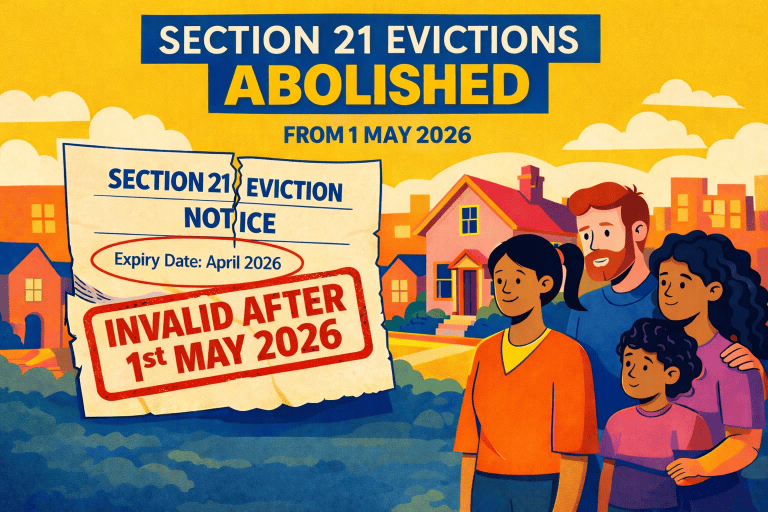
- Section 21 evictions will officially end when the Renters’ Right Act comes into force.
- Once the Act comes into force, every tenancy in England becomes periodic, rent increases are limited to once per year, and pet requests cannot be unreasonably refused.
- Further changes such as the Ombudsman and Property Portal are likely to follow later in 2026 or even 2027.
Renters’ Right Act 2025 Implementation Timeline Explained
The Renters’ Rights Act 2025 officially became law on 27 October 2025, but most major tenant protections will likely begin in Spring 2026, possibly around April or May. This means that while the law has received Royal Assent, the key reforms such as the end of Section 21 evictions, pet rights, and rent increase limits have not yet taken effect.
Are Tenants Protected Right Now under the Renters’ Right Act?
No, not yet. As of November 2025, your current rights under existing tenancy law remain unchanged. Which is to say:
- Section 21 evictions can still legally be served.
- Fixed term tenancy agreements such as six month or one year terms still apply.
- The new pet request rights and rent increase protections are not yet active.
- Many tenants have understandably assumed that “the Act becoming law” meant immediate protection, but in reality, those safeguards only begin when the Government announces the official commencement date, expected in Spring 2026.
When Does Section 21 No Fault Eviction Actually End?
The end of Section 21 no fault evictions will happen on the main commencement date, expected around May 2026.
Until that date, landlords can still issue valid Section 21 notices. Once the commencement date arrives, landlords will only be able to evict tenants using specific legal grounds, such as serious rent arrears or if the landlord intends to sell the property.

What Major Changes Are Expected in Spring 2026?
Spring 2026 is expected to be the big bang implementation time, when all core tenant protections take effect at once.
Here’s what is expected to happen:
- Section 21 (no fault) evictions are abolished completely.
- All existing assured shorthold tenancies automatically convert into rolling periodic tenancies.
- Fixed term contracts will no longer exist in England.
In addition, new rights and protections begin:
- You gain a legal right to request a pet, and landlords can only refuse for reasonable grounds.
- Rent increases are limited to once per year, using the formal Section 13 notice process.
- You can challenge unfair rent rises for free at the First Tier Tribunal.
- Landlords can no longer demand more than one month’s rent in advance for new tenancies.
- Discrimination against tenants with children or on benefits becomes illegal.

Does the Renters’ Rights Act 2025 Apply to Existing Tenancies?
Yes but only when the Act starts, which is expected to be in Spring 2026. Then it will apply to all existing tenancies, not just new ones.
You will not need to sign a new agreement or move home. Your rent amount, deposit, and other terms stay the same unless changed in line with the new legal process.
What Comes After Spring 2026?
Some parts of the Renters’ Rights Act 2025 will likely roll out later:
- The Private Rented Sector Ombudsman, offering free complaint resolution and compensation will take at least a few extra months, if not longer to launch.
- The landlord registration database, known as the Property Portal, which lets you check your landlord’s compliance record, is expected in late 2026 or early 2027.
The Government will publish a detailed implementation timetable confirming these dates.

Key Takeaway for Tenants
While the Renters’ Rights Act 2025 is now law, its main protections including the end of Section 21, rent fairness rules, and pet rights are expected to start in Spring 2026. Until then, your current tenancy rights remain unchanged.
Disclaimer: This guide is for general information only and does not constitute legal advice. Always seek professional guidance about your specific tenancy situation.